sea ice
US /si aɪs/
・UK /si: ais/
A1
n. (u.)Uncountable NounIce formed by the freezing of seawater.
The polar bear walked across the sea ice.
Video subtitles
My Arctic Voyage From GREENLAND To ALASKA | The Northwest Passage
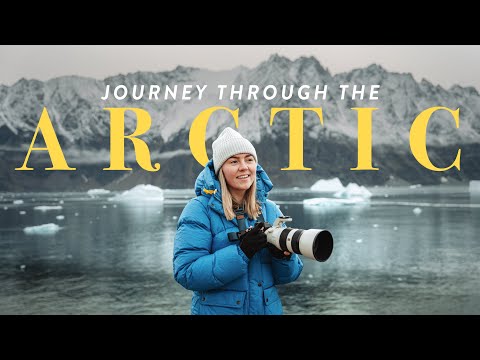
- We saw lots of polar bears this way along our journey, but my favorite polar bear moment came on a day where we encountered some sea ice, which is all of the yellow you see on this radar.
We saw lots of polar bears this way along our journey, but my favorite polar bear moment came on a day where we encountered some sea ice, which is all of the yellow you see on this radar.
- Sea ice is different from glacier ice because it forms in the middle of the ocean from the seawater just freezing over, so you don't need to be near land or a glacier to see it.
Sea ice is different from glacier ice because it forms in the middle of the ocean from the seawater just freezing over, so you don't need to be near land or a glacier to see it.
Keeping Tourists Alive: The Job of a Svalbard Travel Guide
- With sea ice disappearing and polar bears growing desperate, every journey beyond town limits requires more than just warm clothes and a sense of adventure.
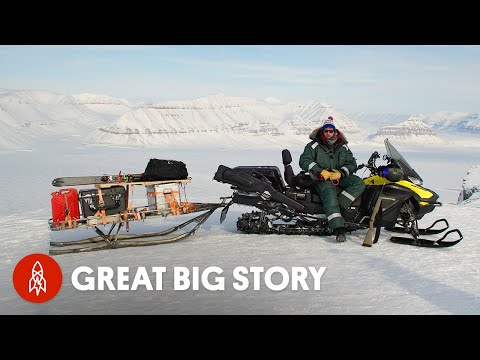
With sea ice disappearing and polar bears growing desperate, every journey beyond town limits requires more than just warm clothes and a sense of adventure.
- With sea ice disappearing and polar bears growing desperate, every journey beyond town limits requires more than just warm clothes and a sense of adventure.
With sea ice disappearing and polar bears growing desperate, every journey beyond town limits requires more than just warm clothes and a sense of adventure.
37 Geography Facts You SHOULD Know!
- In the middle of the Bering Strait sit two tiny islands, Big Diomede, owned by Russia, and Little Diomede, owned by the United States. They're only about 2.5 miles apart, so close that on a clear day, you can see from one to the other. In winter, the water between them freezes solid, meaning you could technically walk from America to Russia right across the sea ice. Oh, and here's the kicker. Because of the international date line, Big Diomede is almost a full day ahead of Little Diomede. So you're not just crossing countries, you're walking into tomorrow. Number five. Most of humanity lives in just half the planet. If you drew a line around the globe at the equator, you'd find something surprising. 90% of all people on Earth live in the Northern Hemisphere. That includes nearly all of Asia, Europe, North America, and a big chunk of Africa. The Southern Hemisphere? Mostly oceans and far fewer people. So while the world feels massive, most of us are actually packed into just one side of it. Number six. The shortest commercial flight in the world lasts just 57 seconds. There's a flight in the Orkney Islands,
In the middle of the Bering Strait sit two tiny islands, Big Diomede, owned by Russia, and Little Diomede, owned by the United States. They're only about 2.5 miles apart, so close that on a clear day, you can see from one to the other. In winter, the water between them freezes solid, meaning you could technically walk from America to Russia right across the sea ice. Oh, and here's the kicker. Because of the international date line, Big Diomede is almost a full day ahead of Little Diomede. So you're not just crossing countries, you're walking into tomorrow. Number five. Most of humanity lives in just half the planet. If you drew a line around the globe at the equator, you'd find something surprising. 90% of all people on Earth live in the Northern Hemisphere. That includes nearly all of Asia, Europe, North America, and a big chunk of Africa. The Southern Hemisphere? Mostly oceans and far fewer people. So while the world feels massive, most of us are actually packed into just one side of it. Number six. The shortest commercial flight in the world lasts just 57 seconds. There's a flight in the Orkney Islands,
- In winter, the water between them freezes solid, meaning you could technically walk from America to Russia right across the sea ice.
In winter, the water between them freezes solid, meaning you could technically walk from America to Russia right across the sea ice.
Impacts of Climate Change on Human Health in the United States

- But in fact, the changes also include increased temperatures in the ocean, a decline in Arctic sea ice extent, accelerated sea level rise, increased moisture in the atmosphere accompanied by an increase in torrential downpours and associated flooding, increased numbers of extremely hot days, and
But in fact, the changes also include increased temperatures in the ocean, a decline in Arctic sea ice extent, accelerated sea level rise, increased moisture in the atmosphere accompanied by an increase in torrential downpours and associated flooding, increased numbers of extremely hot days, and
- a decline in Arctic sea ice extent,
a decline in Arctic sea ice extent,
5 Human Impacts on the Environment: Crash Course Ecology #10

- As a result, we're seeing decreases in the levels of polar sea ice, which means less habitat for polar bears, seals, and
As a result, we're seeing decreases in the levels of polar sea ice, which means less habitat for polar bears, seals, and
- As a result, we're seeing decreases in the levels of polar sea ice,
As a result, we're seeing decreases in the levels of polar sea ice,
Watch before you take TOEFL in 2025 | Top strategies

- Example, if the passage says, polar bears rely on sea ice to hunt seals, but an answer choice says, polar bears hunt seals on land, you can eliminate this one immediately.
Example, if the passage says, polar bears rely on sea ice to hunt seals, but an answer choice says, polar bears hunt seals on land, you can eliminate this one immediately.
- Example: if the passage says, "Polar bears rely on sea ice to hunt seals," but an answer choice says, "Polar bears hunt seals on land," you can eliminate this one immediately.
Example: if the passage says, "Polar bears rely on sea ice to hunt seals," but an answer choice says, "Polar bears hunt seals on land," you can eliminate this one immediately.
Penguins and Global Warming ★ Climate Change Devastates Emperor Penguins ♦ In Antarctica
- But now a new study indicates melting sea ice caused by climate change may soon wreak havoc on one colony of emperor penguins, who could spell doom for a large swath of the entire species.
But now a new study indicates melting sea ice caused by climate change may soon wreak havoc on one colony of emperor penguins, who could spell doom for a large swath of the entire species.
- now a new study indicates melting sea ice caused by climate change
now a new study indicates melting sea ice caused by climate change
Stanford Roundtable 2014: The climate conversation you haven’t heard

- The sea ice is melting fast.
The sea ice is melting fast.
- Because the ice is melting, the sea ice is melting fast.
Because the ice is melting, the sea ice is melting fast.
BYU Studies Show Polar Bears on Thin Ice
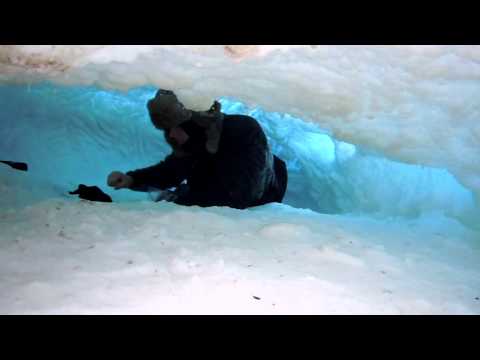
- Climate change is the biggest problem facing polar bears, and as sea ice has diminished
Climate change is the biggest problem facing polar bears, and as sea ice has diminished
- And as sea ice has diminished over the last three decades, we're seeing a very marked response in polar bear populations.
And as sea ice has diminished over the last three decades, we're seeing a very marked response in polar bear populations.
Earth in 1000 Years

- Glaciers, sea ice, permafrost, ice sheets, and snow play an important role in Earth's climate.
Glaciers, sea ice, permafrost, ice sheets, and snow play an important role in Earth's climate.
- Glaciers, sea ice, permafrost, ice sheets and snow play an important role in Earth’s
Glaciers, sea ice, permafrost, ice sheets and snow play an important role in Earth’s